
It is true that aircraft are sometimes used to release substances into the air. This fact is occasionally cited as evidence that white trails behind high-altitude airplanes must also be intentional spraying.
To avoid confusion, it’s important to be clear and specific:
there are legitimate, well-documented uses of aircraft for dispersal — but they occur under very different conditions, for very different purposes, and look nothing like condensation trails.
Understanding these differences helps separate reality from speculation.
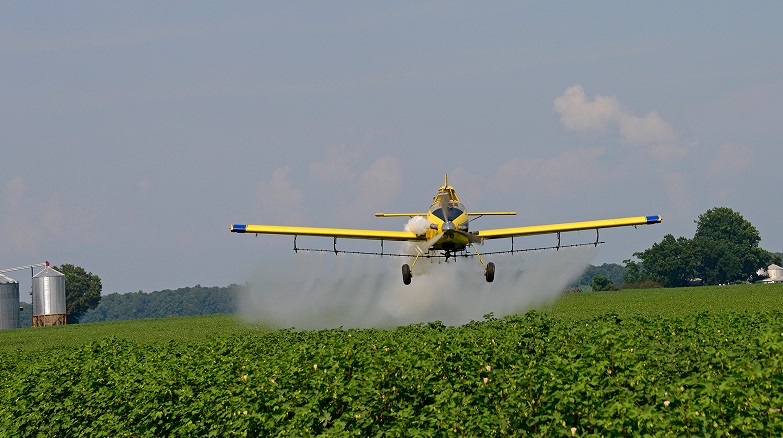
One of the most common and long-standing uses of aircraft for dispersal is agricultural spraying, often called crop dusting.
These aircraft:
fly very low (often just meters above fields)
release liquids or fine droplets
operate over specific, limited areas
are clearly visible and audible
The substances used may include:
fertilizers
pesticides
herbicides
These operations are:
localized
regulated
documented
and conducted during specific conditions to minimize drift
They do not produce long-lasting white trails and are never done at cruising altitude.
Another real use of aircraft dispersal is cloud seeding, sometimes referred to as weather modification.
Cloud seeding aims to:
encourage precipitation
reduce hail damage
or influence cloud formation under specific conditions
Aircraft release very small amounts of substances such as:
silver iodide
salt particles
Important characteristics:
performed inside or near clouds
requires very specific atmospheric conditions
produces no visible long trails
effects are uncertain and limited
Cloud seeding cannot:
create clouds from clear skies
control weather broadly
operate continuously or globally
It is a targeted, experimental technique — not an invisible spraying program.
Aircraft are also used in firefighting and emergency situations.
Examples include:
water drops
fire retardant releases
These are:
highly visible
short-duration
geographically limited
and conducted at low altitude
Again, nothing like the thin, high-altitude trails seen behind jetliners.
The key differences are physical and obvious:
| Feature | Legitimate dispersal | Contrails |
|---|---|---|
| Altitude | Low (meters to hundreds of meters) | Very high (8–12 km) |
| Substance | Liquid or particles | Ice crystals from water vapor |
| Visibility | Local, short-lived | Long, thin, high-altitude |
| Area | Targeted | Follows flight paths |
| Purpose | Specific task | No purpose — side effect |
Contrails:
form unintentionally
require no tanks or delivery systems
appear and disappear based on humidity and temperature
Dispersal flights:
are intentional
require dedicated equipment
are obvious to observers on the ground
They are not visually or physically interchangeable.
Ignoring legitimate uses of aircraft dispersal can unintentionally fuel suspicion.
When people later learn that:
crop spraying exists
cloud seeding exists
they may conclude:
“Then maybe the other thing is real too — they just didn’t tell us.”
Transparency prevents that leap.
By clearly explaining:
when aircraft release substances
why they do so
how it looks
we remove the sense that information is being hidden.
Both of the following statements are true:
High-altitude white trails behind commercial aircraft are condensation trails, not chemical spraying.
Some aircraft are intentionally used to release substances — but only in specific, visible, and limited contexts.
Confusing these two leads to misunderstanding.
Separating them restores clarity.
Yes, aircraft are sometimes used to disperse substances — in agriculture, weather modification, and emergency response. These operations are localized, visible, and purpose-built.
The white trails seen behind airplanes at high altitude are something entirely different: ice crystals formed from water vapor in cold air.
Understanding both realities together reduces suspicion rather than increasing it.
Nothing needs to be hidden when the explanations are complete.